How to stop mold from coming back after a water leak
Mold returns when moisture stays above 60% or the leak was never fully fixed. Here is how we stop it for good in VAN NUYS, California.
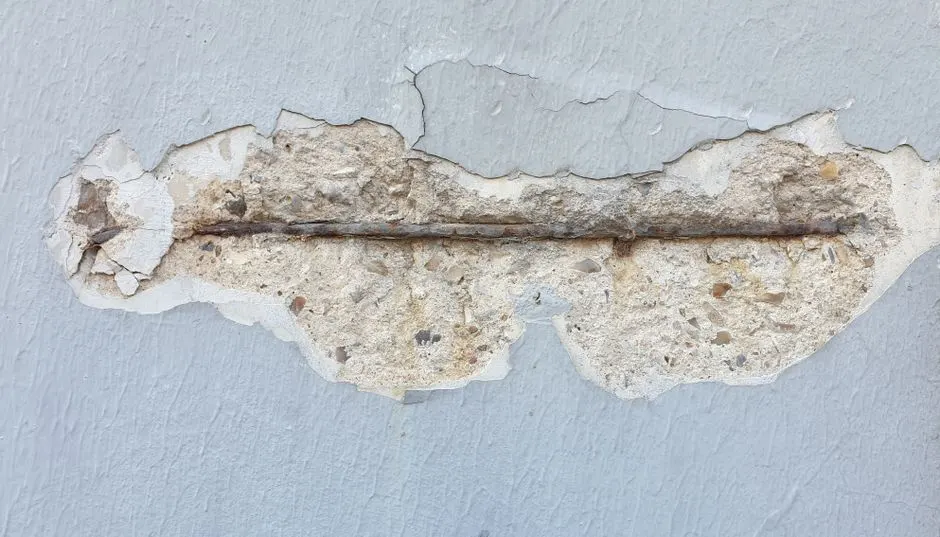
Mold comes back after a water leak when the moisture source was never fully eliminated or the structure was not dried below 60% relative humidity within 24 to 48 hours. Stopping it for good means fixing the leak, drying the framing and drywall to a measured moisture content, and removing porous materials that stayed wet too long. This guide walks through the exact sequence we use in VAN NUYS, California, from the first hour after a pipe burst to the final clearance test.
Why mold comes back after a water leak
Mold returns because the water you can see is rarely the water that feeds it. A pinhole leak behind a vanity in a 1950s Van Nuys ranch house can soak the bottom plate, the subfloor, and the base of the wall cavity while the surface looks dry. Mold spores are already in the air - every home has them - and they only need three things to colonize: moisture, a food source like paper-facing drywall or wood framing, and 24 to 48 hours of time.
That is why Water Damage Mold Remediation in VAN NUYS, California starts with moisture mapping, not with spraying bleach. If the wood still reads 20% on a pin meter, mold will be back in a week no matter how much disinfectant you use. We see this constantly in slab leaks and slow supply-line drips where the homeowner dried the carpet but never opened the wall.
How long do you have before mold starts growing?
You have 24 to 48 hours from the moment a leak starts before mold growth begins in most VAN NUYS homes. In summer, when indoor humidity in the San Fernando Valley can sit at 55% to 65% even with the AC running, that window shrinks toward the 24-hour end. In winter, cooler air slows it slightly, but a wet wall cavity with no airflow still colonizes within three to four days.
How long to dry after a water leak to prevent mold in VAN NUYS depends on the material. Drywall and insulation typically dry in 3 to 5 days with proper air movement and dehumidification. Plaster walls common in pre-1960 homes can take 5 to 7 days. Solid wood framing, subfloor, and sill plates can take 7 to 10 days if they were saturated. If any of those materials are still wet past day 10, they usually need to come out.
Step 1: Find and stop every source of moisture
Stop the water before you dry anything. If a pipe is still dripping or a supply line is still pressurized, every fan you run is fighting a losing battle. Shut off the fixture valve or the main, then confirm the leak is actually fixed - not just slowed.
Water leaks in VAN NUYS homes hide in predictable places:
- Under-slab copper lines in 1940s-1960s homes, which fail from soil movement and age
- Galvanized supply lines in older Valley Glen and Van Nuys properties
- Washing machine hoses and dishwasher supply lines in kitchens and laundry rooms
- AC condensate lines that clog in summer and overflow into ceiling cavities
- Roof and flashing leaks that only show up after the first winter rain
If you are not sure where the water is coming from, a Mold Inspection Near Me in VAN NUYS, California visit will map moisture with thermal imaging and pin meters so you are not guessing. We find the source, confirm it is stopped, and only then start drying.
Step 2: Dry the structure, not just the surface
Drying the structure means getting the framing, subfloor, and wall cavities below 16% moisture content and the indoor air below 60% relative humidity. A box fan pointed at a wet wall does not do that. You need three things running at once: air movers to evaporate moisture off surfaces, a refrigerant or desiccant dehumidifier to pull that moisture out of the air, and a moisture meter to prove it worked.
For a typical 10x12 room with wet drywall, we run 4 to 6 air movers and one LGR dehumidifier for 3 to 5 days. That setup pulls roughly 30 to 50 pints of water per day out of the air. If you skip the dehumidifier, you are just moving water from the wall into the room and back again.
Set a target and check it daily. Air humidity under 50% is ideal. Wood framing under 16%. Drywall under 1% on a pin meter. If those numbers are not moving after 48 hours, the drying setup is wrong or there is still a hidden water source.
Step 3: Remove what cannot be dried
Some materials will not dry clean, and leaving them in place is the number one reason mold returns. Cut out and bag the following if they were wet more than 48 hours:
- Drywall and the paper facing behind it
- Fiberglass and cellulose insulation in the affected cavity
- Wet carpet, pad, and any laminate flooring that swelled
- Baseboards and shoe molding that trapped water against the wall
- Any particleboard or MDF cabinetry that swelled
Cut drywall 12 to 24 inches past the visible water line - mold grows beyond the wet stain. If you find black or greenish growth on the back of the drywall or on the framing, that is a sign of active colonization and it needs to be treated, not just removed. For that, we bring in Mold Remediation Company in VAN NUYS, California crews who contain the area with 6-mil poly and negative air pressure before anything is cut.
Step 4: Treat the space so spores cannot settle
Treat the space after it is dry, not before. Spraying antimicrobial on wet wood does nothing useful - the moisture is still there and the mold will grow right back through it. Once framing reads under 16% and air is under 50% RH, then you treat.
What we do on a typical job:
- HEPA vacuum all surfaces in the contained area to remove settled spores
- Apply an EPA-registered antimicrobial to framing and any remaining structural surfaces
- Run a Mold Fogging Treatment in VAN NUYS, California to reach inside wall cavities and behind baseboards where a spray bottle cannot
- Verify with post-remediation air sampling before we close the walls
That last step matters. Without a clearance test, you are guessing. We take an outdoor control sample and an indoor sample, send both to a lab, and compare spore counts. If indoor levels are not at or below outdoor levels, we keep working.
Common mistakes that bring mold back
Most mold callbacks trace back to one of six mistakes. Avoid these and your odds of a repeat problem drop sharply.
- Bleach on porous surfaces. Bleach kills surface mold on tile and glass. On drywall and wood it does not penetrate, and the water in the bleach feeds what is left behind.
- Drying without measuring. If you never put a meter on the framing, you do not know if it is dry. "It feels dry" is not a measurement.
- Closing the walls too soon. Rebuilding before clearance testing traps moisture and spores inside the cavity.
- Ignoring the HVAC system. If the air handler or ductwork got wet, every time the system runs it spreads spores through the house.
- Running the AC as a dehumidifier. A standard AC drops temperature but does not pull enough moisture out of a wet structure. You need a real dehumidifier.
- Skipping the source fix. If the slab leak or supply line was never repaired, you are drying a room that will get wet again next week.
When to call a professional
Call us when the water came from a slab leak, a burst pipe inside a wall, or anything that ran for more than a few hours. Those are the cases where moisture hides in cavities you cannot see, and where DIY drying usually misses the framing. Call us too if you can already see or smell mold - a musty odor in a closed room is a reliable sign of active growth.
We handle Mold Remediation Near Me in VAN NUYS, California jobs every week, from single-wall cutouts to full-room rebuilds. We find the source, dry to measured targets, remove what cannot be saved, treat the space, and test before we close anything up. You get a dry structure and a clearance report, not just a spray-and-pray visit.
Frequently Asked Questions
How do I stop mold from coming back after a water leak in VAN NUYS, California?
Fix the leak first, then dry the structure below 16% wood moisture and 60% relative humidity within 24 to 48 hours. Remove wet drywall, insulation, and carpet that stayed wet past 48 hours, treat the framing, and run a clearance test before closing walls. Skipping any of those steps is why mold returns.
How fast does mold grow after a water leak in VAN NUYS?
Mold can start colonizing in 24 to 48 hours. In a Van Nuys summer, when indoor humidity often sits at 55% to 65%, that window leans toward 24 hours. Visible growth on drywall and framing usually shows up within 3 to 7 days if the material stays wet.
Does homeowners insurance cover mold after a water leak in VAN NUYS, California?
It depends on the cause. Sudden, accidental leaks - a burst supply line, a failed washing machine hose - are usually covered, including resulting mold. Long-term seepage and maintenance neglect are typically excluded. Most California policies cap mold coverage around $10,000 unless you added an endorsement.
Should I call a professional after a water leak in VAN NUYS, California?
Yes, if the leak was inside a wall, under a slab, or ran for more than a few hours. Those are the cases where moisture hides in framing and cavities you cannot see. A professional moisture map and drying setup costs far less than tearing out moldy drywall twice.
How much does mold remediation cost in VAN NUYS in 2026?
Typical 2026 pricing in this area runs $1,200 to $3,500 for a single affected room, and $4,000 to $10,000 or more for multi-room or slab-leak jobs that require containment and rebuild. Clearance testing adds roughly $300 to $600. We give you a written scope and price before we start.
Get help with Mold Remediation Service in VAN NUYS
If a leak soaked your walls and you want it dried and treated right the first time, our team handles the whole job - source repair coordination, structural drying, removal, treatment, and clearance testing. We work across Van Nuys, Valley Glen, and the surrounding San Fernando Valley neighborhoods.
Call (833) 929-5837 and we will schedule a moisture inspection, tell you what needs to come out, and give you a clear price before any work begins.